
Sometimes Less (Really) is More
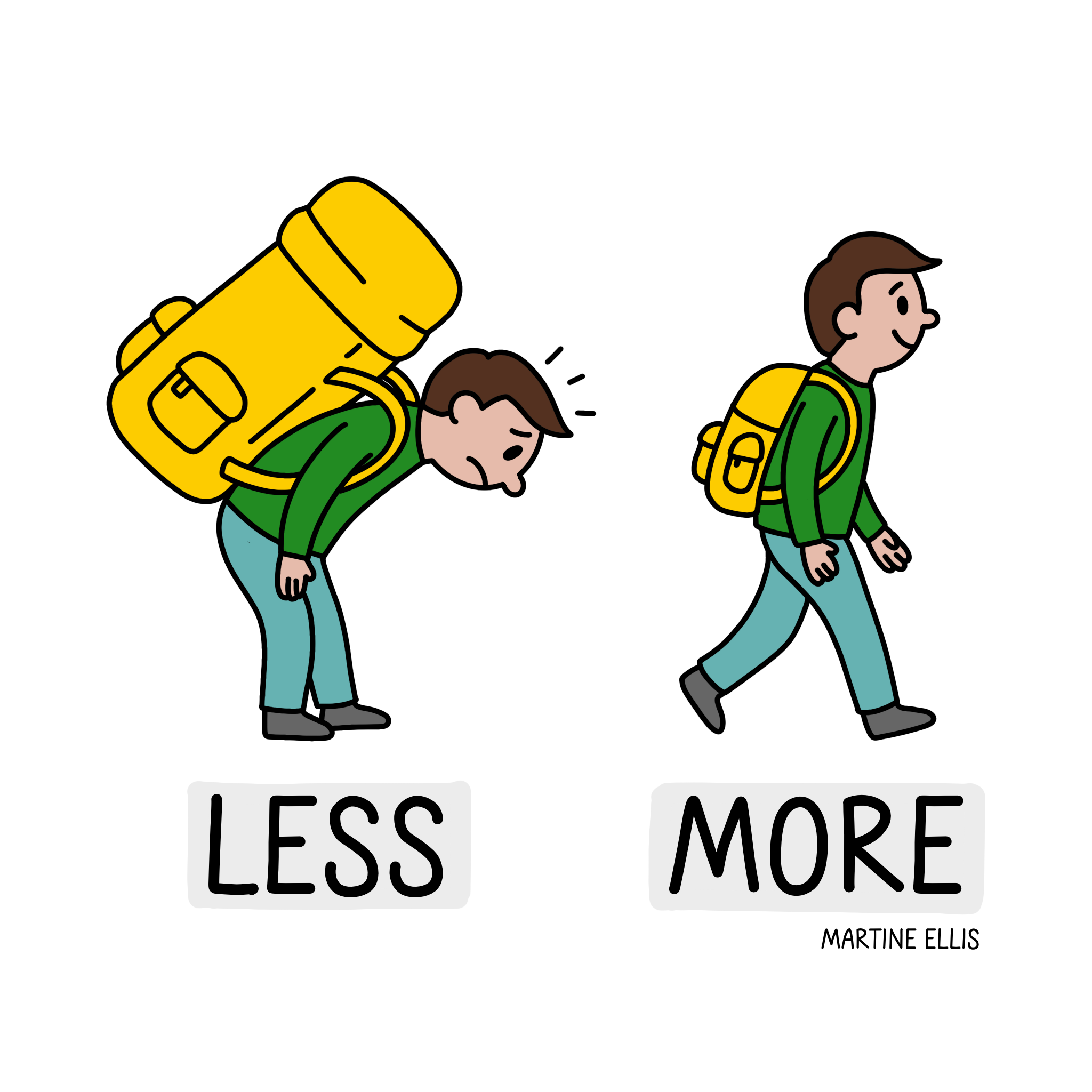
You are probably familiar with the phrase "less is more", and many of us have said it at some point. But do we really believe it? Our behaviour sometimes suggests we don’t.
When we feel overwhelmed, we look for a new time-management tool. When a process at work fails, we write a new policy. When we feel disconnected, we sign up for another social media platform. We assume that to improve our lives or our work, we must always add.
Research published in the journal Nature suggests our brains are wired this way (studies shared at the end of this article). We default to additive solutions and overlook the option of taking things away, even when subtraction is the better choice.
I have been experimenting with subtraction in my own life recently. I stopped using one social media platform and am considering leaving another. Even though I only checked these accounts once or twice a day, they created an invisible pressure. Removing them has created an unexpected amount of mental space.
I experienced a similar shift when I decided to stop drinking alcohol nearly two years ago. I had previously tried to reduce my intake for health reasons, but the real breakthrough came from removing the option entirely. Not drinking means I never have to negotiate with myself about whether or not to drink (so, less decision fatigue). It has also given me better sleep and more energy.
We see this same pattern in our professional lives. Organisations often add layers of bureaucracy to solve problems caused by existing complexity. We add more meetings to discuss why we have no time to work. We create more communication channels to manage our communication overload.
Sustainable productivity and wellbeing are not about how much we can shoulder. They are about having the courage to look at our bursting backpacks and decide what to take out.
Research links:
