
When I trained teachers earlier in my career, we often discussed how to manage student attention spans. I'd often share that my own attention span was—and remains—embarrassingly short. At the time, we designed learning to fit a 20-minute focus window. We broke lessons into chunks and changed learning activities frequently to keep students engaged.
Today, 20 minutes of focus feels like an ambitious goal rather than a standard.
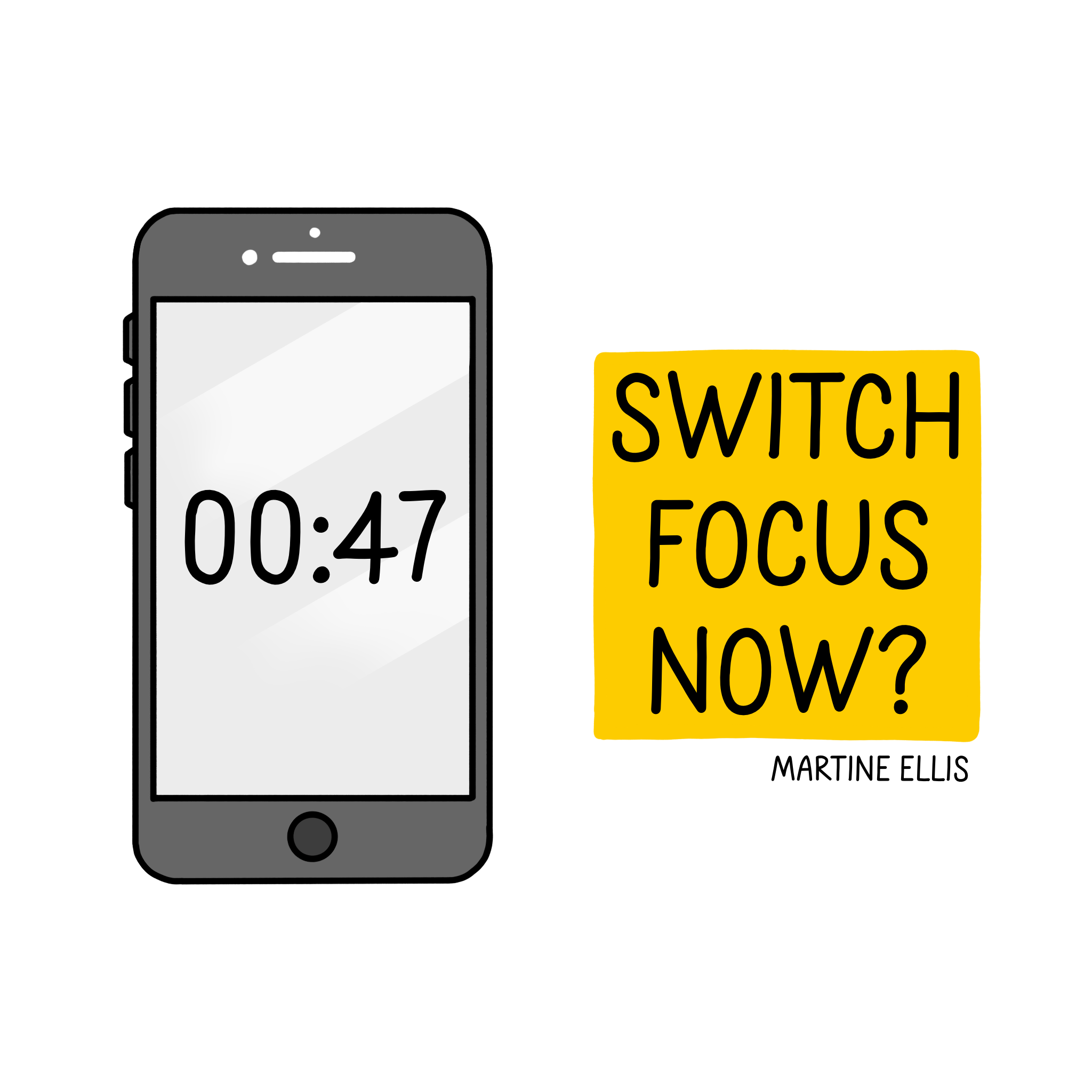
Research by Dr Gloria Mark shows that the average attention span (while using a digital screen) is now only 47 seconds. This does not mean our brains have changed, but it does remind us of how our digital environments are designed to keep us switching focus.
Meaningful work is difficult to achieve in 47-second fragments. We cannot find flow or produce our best work without a deliberate change in approach.
I used to believe I could only focus in absolute silence at home. Recently, I have found that quiet public spaces, such as libraries, work well too. Using headphones provides the necessary quiet, while the presence of others offers a sense of gentle accountability.
The first step toward better focus and improving your attention span is to understand your specific needs. You might need to protect time for deep work or set firmer boundaries around your devices. If you want to retrain your focus, the Pomodoro Technique (working in 25-minute sprints with a 5-minute break) could help. If 25 minutes feels unattainable, start with a smaller window—perhaps just 5 minutes—and build up slowly.
Our brains are not broken, but our environments have changed. Identifying what you need to work for longer stretches is a good place to begin.
How long do you think your attention span is currently?
