
Notice Your Morning Micro-Stressors
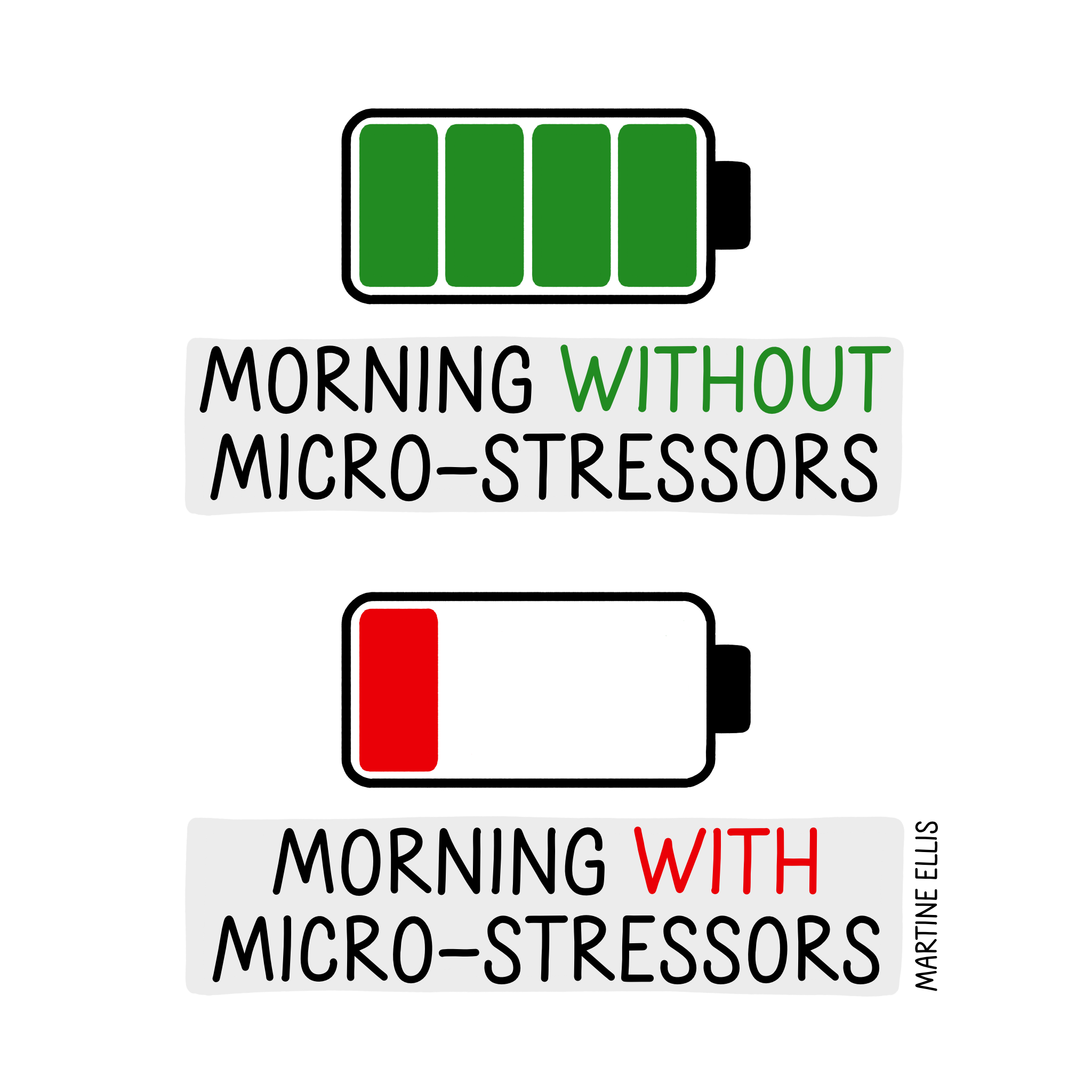
Our resilience is a finite resource, yet many of us put a serious dent in it before we even get out of bed.
This happens because of micro-stressors. These small, repetitive points of friction or annoyance seem manageable in isolation, but they accumulate and can lead to chronic stress or burnout.
Have you ever considered how many micro-stressors you experience within the first ten minutes of waking?
I used to start my mornings in a state of low-level conflict with my technology. My alarm was an aggressive, loud tone that required me to shout at a voice assistant several times to silence it. I also kept my phone on my bedside table, which meant I read emails and news that increased my anxiety within minutes of waking. These habits contributed to a sense of morning anxiety that was entirely preventable.
Identifying these triggers is the first step toward reclaiming your morning energy. You do not need to completely overhaul your life to see an improvement. Instead, look for the small physical or digital adjustments that remove friction from the start of your day.
Here are a few suggestions:
Move your phone to another room. This simple boundary prevents an immediate influx of external demands from email or social media.
Review your alarm clock settings or invest in a dedicated alarm clock. I changed mine to a gentler tone with a gradual volume increase, which removed the immediate spike in my heart rate.
Audit your immediate environment. If you find yourself frustrated by a cluttered bedside table or a growing "floor-drobe", address that physical trigger the night before.
Set a phone reminder for your wind-down time. Use this as a cue to put your phone to bed in its charging station before you begin your own bedtime routine.
The goal is not to create a perfect, rigid routine. It is about removing the unnecessary obstacles that drain your capacity to handle the rest of the day.
Look at your bedside setup tonight. What is one small change you could make to ensure your first few minutes tomorrow are quieter?
