
Could You Turn Your Anxiety Into Curiosity?
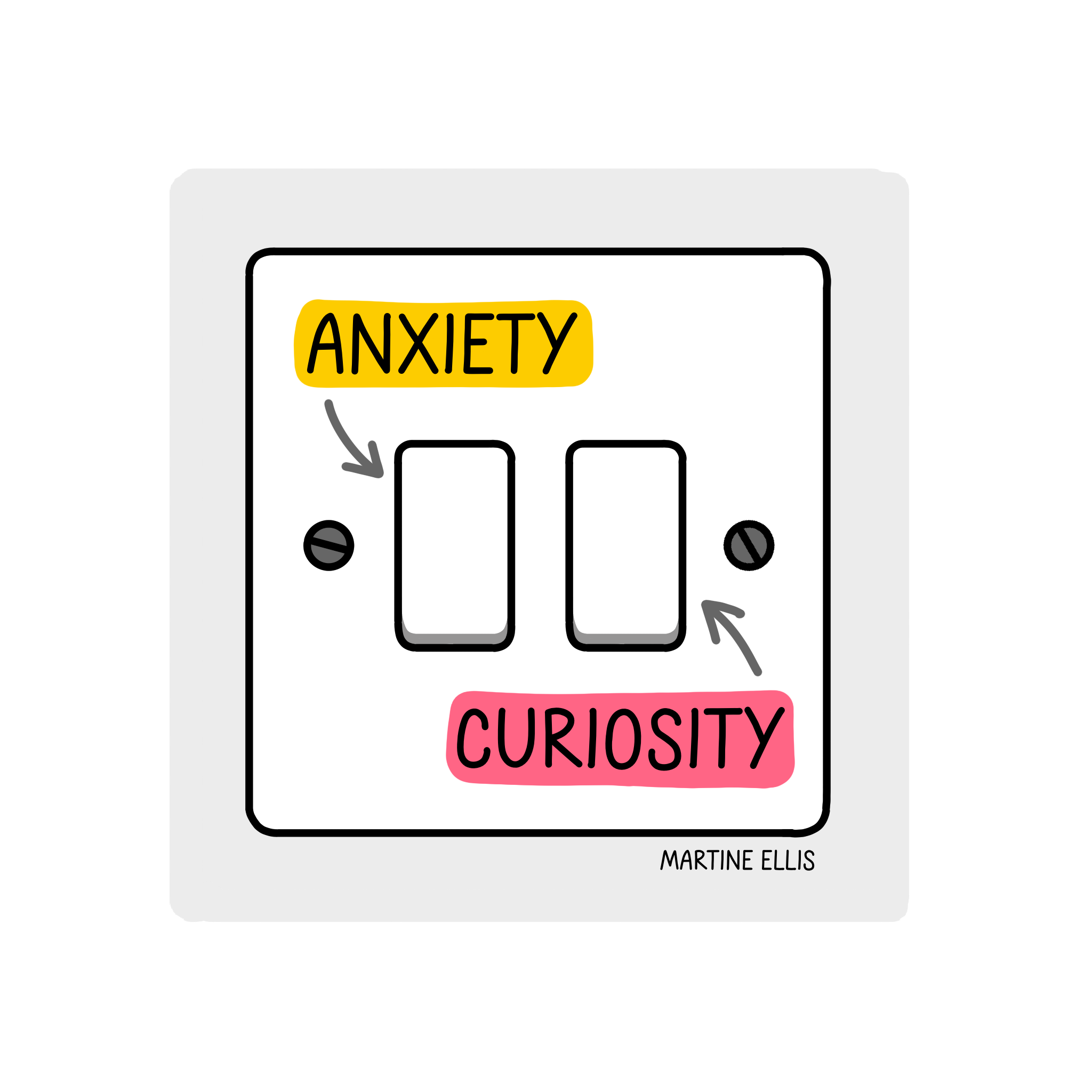
When preparing for a presentation or a high-stakes meeting, the traditional advice is to reframe anxiety as excitement. This shift in perspective is a helpful tool for short bursts of performance, but it can be exhausting to maintain over a long working day.
There is another option that feels more sustainable.
Dr Anne-Laure Le Cunff writes about a concept from neuroscience called the anxiety-curiosity switch. Anxiety and curiosity share the same neurological space in the brain, particularly the parts that process uncertainty. While anxiety asks what might go wrong, curiosity asks what we might discover.
In a professional environment, choosing curiosity can turn a threat into an invitation to learn. If we approach a difficult task as researchers or explorers, the pressure to be perfect begins to fade. We move away from judging our performance and toward observing our progress. This shift does not require high energy; it simply requires us to be interested in the outcome.
Have you ever tried reframing your anxiety in this way?
